Understanding Driver's Licenses: Essential Information You Need to Know
In today's world, driving is often a necessity instead of a benefit. A driver's license works as a crucial file that grants an individual the legal authority to operate a motor automobile on public roads. Yet, the procedure of obtaining a driver's license can often seem complicated, varying significantly by region and kind of license required. This post aims to offer detailed information about driver's licenses, covering the kinds of licenses, the application procedure, and typical FAQs.
Table of Contents
- Kinds of Driver's Licenses
- 1.1 Standard Licenses
- 1.2 Commercial Licenses
- 1.3 Motorcycle Licenses
- 1.4 Learner's Permits
- The Application Process
- 2.1 Eligibility Requirements
- 2.2 Required Documents
- 2.3 Steps to Apply
- Driving Rules and Regulations
- 3.1 Important Traffic Laws
- 3.2 Points System
- Common FAQs
- Conclusion
1. Kinds of Driver's Licenses
Comprehending the different types of driver's licenses is vital for any prospective driver. Here's a breakdown:
| Type of License | Description |
|---|---|
| Standard License | Allows the holder to drive personal vehicles. Normally does not need customized training. |
| Industrial License | Required for running big cars or trucks. Needs a higher level of training and examinations. |
| Bike License | Particularly for running motorcycles. May require different tests and safety courses. |
| Learner's Permit | Enables brand-new drivers to practice driving under certain conditions, generally with a knowledgeable driver. |
1.1 Standard Licenses
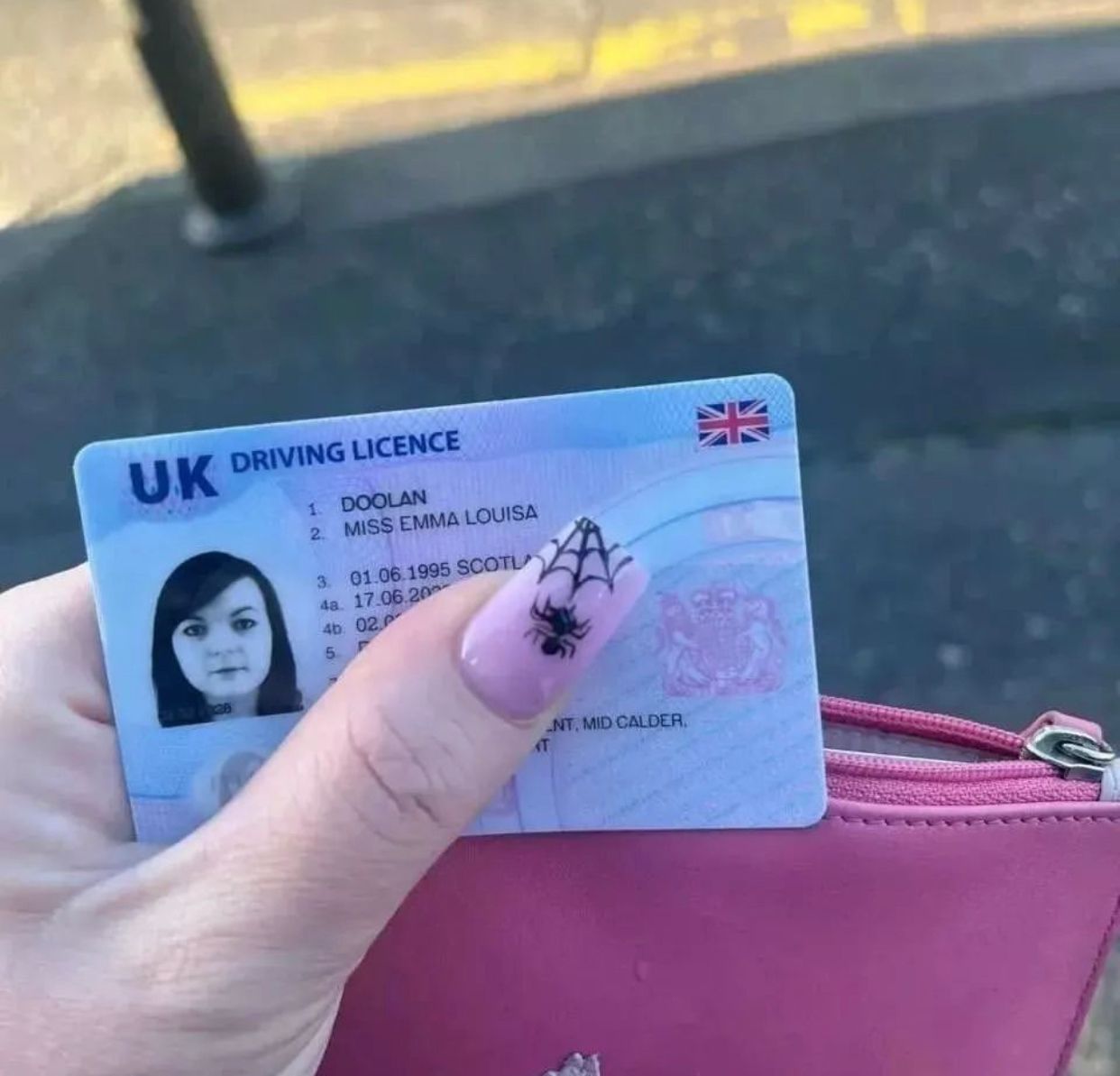
A basic driver's license is the most common type, permitting people to run personal automobiles like cars and SUVs. Driving Licence In UK come with particular limitations based on the driver's experience level.
1.2 Commercial Licenses
Individuals looking for to drive industrial automobiles, such as buses, trucks, or taxis, are required to get a Commercial Driver's License (CDL). This license demands more extensive training and testing due to the specialized abilities associated with driving bigger automobiles.
1.3 Motorcycle Licenses
Bike licenses are distinct and require specific understanding of riding techniques, precaution, and handling of two-wheeled automobiles. In most cases, motorbike riders require to complete a security course to get this license.
1.4 Learner's Permits
A student's license allows brand-new drivers to practice their driving skills under guidance. The holder of a student's permit must adhere to specific limitations, such as only driving with a certified grownup in the lorry.
2. The Application Process
The course to acquiring a driver's license can vary based upon area, however specific basic aspects are normally consistent. Below are the critical elements of the application procedure.
2.1 Eligibility Requirements
Before making an application for a driver's license, one must meet particular eligibility standards:
- Age: Most states require applicants to be a minimum of 16 years old.
- Residency: Applicants require to be citizens of the state in which they are using.
- Health: Certain medical conditions may disqualify a candidate or need a doctor's note.
2.2 Required Documents
Collecting the proper files is vital. Generally, applicants will require:
- Proof of identity (e.g., birth certificate, passport)
- Proof of residency (e.g., energy expense, bank statement)
- Social Security number
- A certificate of conclusion for a driver's education course (if needed)
2.3 Steps to Apply
Here's a structured method to applying for a driver's license:
- Research Your State's Requirements: Each state has various regulations and essential documentation.
- Gather Required Documents: Make sure to have all required paperwork prepared.
- Take the Written Test: Many states require a composed test covering traffic laws and roadway indications.
- Pass the Vision Test: Vision tests might be required to ensure safe driving capabilities.
- Arrange a Driving Test: After completing prior steps, you'll need to pass a driving test with an examiner.
- Pay Licensing Fees: Fees can differ depending upon the state and kind of license.
3. Driving Rules and Regulations
When an individual has successfully obtained their driver's license, it's necessary to understand the rules and policies that govern driving.
3.1 Important Traffic Laws
Here are some basic traffic laws that all drivers need to understand:
- Speed Limits: Different areas have designated speed limits. Driving over these can lead to fines or points against your license.
- Safety belt: Wearing seat belts is necessary for all guests in an automobile.
- No Distracted Driving: Texting while driving or utilizing portable gadgets is illegal in many locations.
- Driving Under the Influence: Strict charges exist for those caught driving under the impact of alcohol or drugs.
3.2 Points System
Most jurisdictions operate under a points system, where particular traffic infractions accrue points versus a driver's license. Accumulating a lot of points can result in license suspension or higher insurance coverage premiums.
4. Common FAQs
Q1: How long does it take to receive a driver's license after passing the test?A: Most
states provide a momentary license right away after passing the tests, with the main license mailed later, typically within a few weeks.
Q2: Can my driver's license be suspended?A: Yes, licenses can be suspended for various reasons, including accumulating a lot of points, DUI convictions, or failing to pay fines. Q3: Is a learner's authorization legitimate in all states?A: No, learner's authorizations are usually state-specific. What is accepted in one state might not stand in another. Q4: Do I require insurance coverage before getting a driver's license?A: While
not always required before obtaining a license,
proof of insurance is frequently needed to register a car and drive legally. A driver's license is an individual turning point that grants individuals liberty, self-reliance, and responsibility. Comprehending the various kinds of licenses, the application procedure, and the rules of the road is essential for safety and legality. Whether a novice driver or considering upgrading to a commercial license, extensive preparation and awareness of the important regulations can make the journey smoother. Safe driving starts with being informed; for that reason, prospective drivers should actively look for the details required to browse the licensing journey successfully.